
The young actors leading HBO’s Harry Potter series are beginning to describe the adaptation in their own words. Dominic McLaughlin, Arabella Stanton and Alastair Stout spoke with Scholastic News about receiving their roles, working on the production and the difference a television format can make. Nicole Tocco’s interview appears in the issue dated November 23, which is already available online ahead of that cover date. It offers a cast perspective rather than another breakdown of the recently circulated banquet clip. [1][2]
McLaughlin plays Harry, Stanton plays Hermione and Stout plays Ron. In the edited interview, Stanton says the series spends more time with the characters and includes more material from the books. Stout describes both the pressure of taking on a familiar role and the excitement of a chessboard stunt. Their comments are specific glimpses of the work, not a promise that every scene readers remember will appear unchanged. [1]
An interview with an unusual publication date
Scholastic’s delivery schedule helps explain why an article carrying a November 23 date can be discussed on November 18. The publisher lists November 13 as the online availability date for that issue. The interview should therefore be credited to its dated edition without pretending that the cover date is the day it first became accessible. FanFest is reporting on an available source, not claiming an interview conducted independently with the actors. [2]
That distinction also keeps the actors’ remarks in proportion. A short classroom-magazine conversation is designed to give young readers a direct introduction to the people playing recognizable characters. It is not a detailed production briefing or a complete account of how the series was made. Its value lies in the small, concrete observations that a larger promotional announcement may leave out: surprise, nerves and the effort of making a role feel personal.
McLaughlin recalls being with his father when the casting news arrived, while Stout describes a reaction of disbelief. Those details explain the scale of the opportunity from the performers’ point of view. They do not require speculation about private family life. The interview remains focused on a professional milestone and on the practical experience of entering a production watched closely by an established audience. [1]
What a longer adaptation can change
The official Harry Potter series guide identifies Francesca Gardiner as showrunner and Mark Mylod as an executive producer who directs multiple episodes. It places production at Warner Bros. Studios Leavesden and describes an adaptation intended to explore the books in depth. That existing creative direction provides useful context for Stanton’s comments about additional detail. The interview reinforces the stated approach; it does not reveal a newly announced change of format. [3]
More screen time is an opportunity, not an automatic artistic advantage. A film has to compress, combine and prioritize. A series can stay longer with a classroom, a friendship or a misunderstanding. The challenge is to make that additional time carry dramatic weight. A scene becomes useful when it changes how the audience understands a character or makes a later choice more meaningful, rather than merely proving that a particular detail has been included.
Friendship is especially dependent on that accumulation. Three characters can be introduced as a famous trio in a publicity photograph, but a story still has to show why they begin to trust one another. Shared inconvenience, a small disagreement or a moment of help can establish that trust more convincingly than a declaration. A longer format creates space for those intermediate steps if the writing and performances make them feel necessary.
Familiar names, new performances
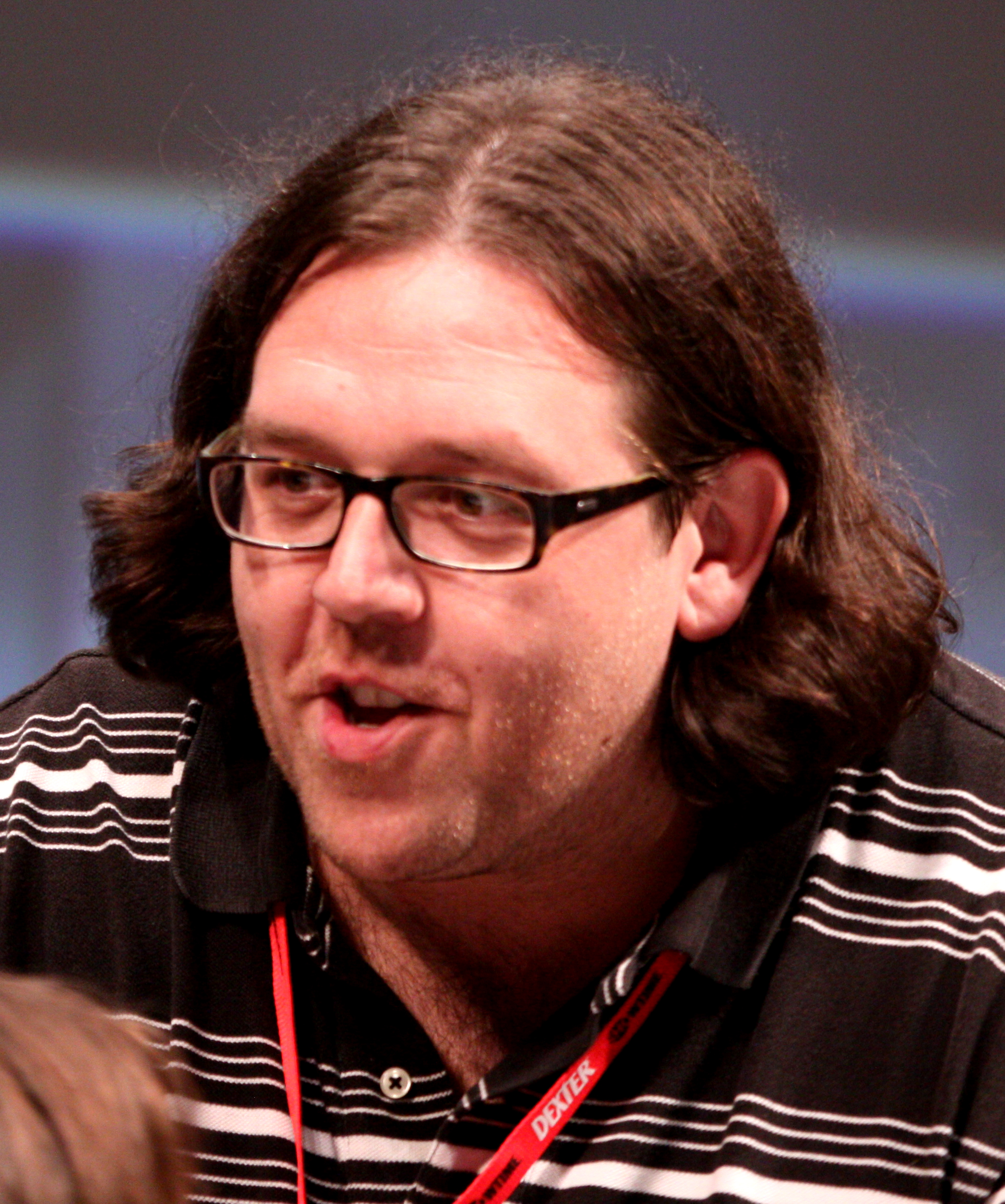
The official cast guide confirms a wider ensemble including John Lithgow as Dumbledore, Janet McTeer as McGonagall, Paapa Essiedu as Snape and Nick Frost as Hagrid. Their presence establishes the adults around the young leads. It does not determine in advance how much any one performer will appear, or how a scene will be paced. The completed episodes will provide those answers. [4]
For the central trio, recognition creates a particular acting problem. Viewers already know the names and may remember another screen interpretation, but an actor cannot build a convincing moment by imitating the audience’s memory. The immediate task is smaller: listen to the other person, understand the situation and make a choice that belongs to this version of the character. Familiarity makes those choices more visible, which can be both an advantage and a source of pressure.
Stout’s desire to bring Ron to life in his own way is useful in that context. A new performance needs enough continuity for the character to be recognizable and enough independence to feel alive. That balance cannot be measured by checking whether every expression resembles an earlier film. It becomes clearer in the relationships: how Ron responds to a friend, handles embarrassment or finds the confidence to contribute something the others cannot. [1]
A production anecdote is not an episode guide
The chessboard anecdote is a glimpse of a staged physical effect, not a complete outline of an episode. Readers familiar with the first novel can recognize its broad context, but the interview does not establish the scene’s final length, editing or placement in the broadcast schedule. It is better to enjoy the actor’s description of the experience without converting it into details that the source never supplied.
That same restraint helps preserve the pleasure of the adaptation. Marketing can reveal locations and costumes while leaving the rhythm of a scene undiscovered. An actor can explain what a moment felt like to perform without telling viewers exactly how it will land in the story. There is room for reporting to describe the craft and anticipation without dismantling every surprise before the premiere.
The confirmed viewing information
HBO Max’s official help page confirms a Christmas 2026 premiere for Harry Potter and the Philosopher’s Stone and says the series will be accessible across its plans. It lists enhanced picture and sound formats on compatible devices with the Premium plan, along with subtitles, selected-language closed captions and audio description. Device and regional availability still need to be checked through the service. Those are viewing details, separate from the cast’s account of making the show. [5]
For readers approaching the series through the books, the useful preparation is straightforward: revisit the characters and situations that made the first story engaging. An adaptation does not have to reproduce a reader’s exact mental picture to make a recognizable emotional connection. It does need to establish what its young characters want, what frightens them and why being together changes the possibilities in front of them.
The Scholastic interview adds a modest but welcome piece to that anticipation. It gives the new Harry, Hermione and Ron a chance to talk about the work before viewers meet their performances in full. The most interesting promise is not simply that there will be more material. It is that additional time might let familiar friendships develop with their own pace, texture and personality when Hogwarts opens its doors this Christmas.
Sources and reporting credit
[1] Nicole Tocco, Scholastic News | A New Crew of Wizards. Issue dated November 23, 2026; already available online.
[2] Scholastic News | Issue delivery and online availability schedule. Schedule lists November 13 online availability for November 23 issue.
[3] HarryPotter.com | Official series production guide. Accessed November 18, 2026.
[4] HarryPotter.com | Official confirmed cast guide. Accessed November 18, 2026.
[5] HBO Max | Harry Potter viewing and accessibility information. Accessed November 18, 2026.
Featured image: John Lithgow in 2007; archival portrait of HBO’s Dumbledore actor. Photo: David Shankbone. Source · CC BY 2.5. Original uploaded unchanged; display sizes may vary.


