
The reported December 15 return brings Matt Damon, Julia Roberts, Jimmy Kimmel and Alex Honnold into the interview chair.
David Letterman's My Next Guest Needs No Introduction is heading back to Netflix on December 15, 2026, according to November 17 reporting on its seventh season. The new teaser features Matt Damon, Julia Roberts, Jimmy Kimmel and climber Alex Honnold. Deadline's Rosy Cordero reported the premiere development; accessible coverage attributing the news to Deadline records the date and the four guests. This is a preview of the announced return, not an account of interviews FanFest has watched in full. [1][2]
The guest lineup itself is older news. Coverage in August had already named the four participants, while the latest reporting supplies a definite release appointment and a new promotional sample. Separating those stages gives the announcement its proper scale. Netflix is not introducing four entirely unexpected names today. It is moving an existing season plan closer to viewers, with a teaser that indicates some of the situations around the conversations. [2][3]
A long interview offers a different kind of performance
The November 17 coverage identifies Damon as the subject of the season opener, followed by Roberts, Kimmel and Honnold. It also describes a reference to Letterman and Damon's background appearance in The Gilded Age. That is a public professional anecdote associated with the preview. The existence of that segment does not justify claiming that the full episode is primarily about one cameo or that the teaser represents the complete range of their discussion. [2]
TV Insider's Meaghan Darwish reported the season's guest plans in August, and TheWrap covered the same lineup at the time. Those earlier articles are useful production background. They demonstrate that a celebrity interview series can have several separate announcement stages: continuation, participants, release timing and actual episodes. Treating each stage accurately lets a reader understand what has changed without turning every new promotional asset into a claim that the whole project has been newly created. [3][4]
The format's appeal lies partly in time. A brief publicity appearance has to establish rapport, deliver a story and reach a useful stopping point quickly. A longer conversation can allow a subject to hesitate, reconsider or explain the process behind a decision. More minutes do not automatically produce more insight, but they create the possibility of following an interesting answer rather than abandoning it because the next scheduled segment has arrived.
Letterman's role is therefore more complicated than reading a prepared list. A good follow-up depends on noticing which part of an answer deserves another question. Humor can open that space, but it can also close it if every serious thought is immediately converted into a punchline. The craft of the interview involves deciding when to interrupt, when to clarify and when simply to let a guest finish an unexpected line of thought.
Analysis of four kinds of expertise
The announced group creates several possible routes into the work of performance. Film acting, live television and elite climbing involve preparation that may be difficult to see in a finished result. An actor's apparently effortless scene can depend on choices made across several takes. A host has to respond within a live or tightly timed situation. A climber must connect planning with physical execution. Those differences offer meaningful subjects for conversation without requiring private-life speculation.
That does not mean the episodes will necessarily follow the same framework. The preview does not provide a transcript or a complete chapter list. It would be premature to assign each guest a lesson, emotional arc or definitive revelation. A responsible preview can identify why the group is interesting while leaving the actual exchanges to the people who recorded them. Anticipation is useful when it stays separate from invented content.
The combination also challenges the interviewer to adjust his vocabulary. An assumption that works in a discussion of film production may not help explain a climbing decision. A technically specific answer needs enough context to make it understandable without flattening the expertise behind it. The audience should be able to follow the stakes of a decision even if it has never stood on a set, hosted a program or climbed a wall.
That balance is one of the strongest reasons for keeping the full conversation distinct from its promotional excerpts. A short clip can circulate because it contains an amusing exchange, while the episode's value may lie in the explanation around it. Conversely, an intriguing teaser cannot guarantee that every minute of a conversation will be equally revealing. The episode remains the appropriate unit for a critical judgment about the interview's depth.
Location can change the conversation
Accessible reporting on the teaser describes field material as well as seated interviews. That matters because a location can give an abstract topic a physical reference. An activity, object or unfamiliar setting may prompt a different answer from the one a guest gives while facing a conventional interview chair. The camera can also show a response that would be lost in a transcript. [2]
The technique still needs a purpose. A field segment is not automatically illuminating because it looks unusual. It becomes useful when the activity helps reveal how the guest notices, decides, explains or reacts. Otherwise, it can become a pleasant interruption that competes with the conversation it was meant to enrich. That is an analytical standard for the series, rather than an assertion about unseen scenes in the new season.
The same distinction applies to a famous host's accumulated history. Recognition can make a guest comfortable, but it can also encourage familiar anecdotes. The most revealing question may be the one that asks for a concrete example instead of accepting a polished general answer. For viewers interested in the craft of interviewing, noticing those moments can be as rewarding as learning another production story from a well-known performer.
The December return is the verified next step
The November 17 reporting supplies December 15 as the season's return date. Fans can use that appointment while recognizing the limits of the preview: no full-episode review, no promise that every promotional moment appears in the same order and no invented account of conversations outside the released material. Direct retrieval of Deadline's original page was restricted during this research, so its reporting is identified through accessible attributed coverage and the verified headline listing. [1][2]
The new season's strongest prospect is a simple one: giving accomplished people enough time to describe how their work actually happens. The four announced guests bring very different forms of preparation and public performance to that task. The teaser offers a first sample of the encounter. The finished conversations will determine whether the series turns familiarity with its guests into a more particular understanding of what they do.
Sources and reporting credits
[1] Rosy Cordero at Deadline. November 17 2026 original retrieval restricted. My Next Guest Needs No Introduction Season 7 Premiere Date and Teaser
[2] Mezha citing Deadline. November 17 2026. My Next Guest Needs No Introduction Sets Season 7 Premiere Date
[3] Meaghan Darwish at TV Insider. August 13 2026. My Next Guest Needs No Introduction Season 7 Guests Premiere Date More Details
[4] TheWrap. August 13 2026. David Letterman Welcomes Matt Damon Julia Roberts and Jimmy Kimmel
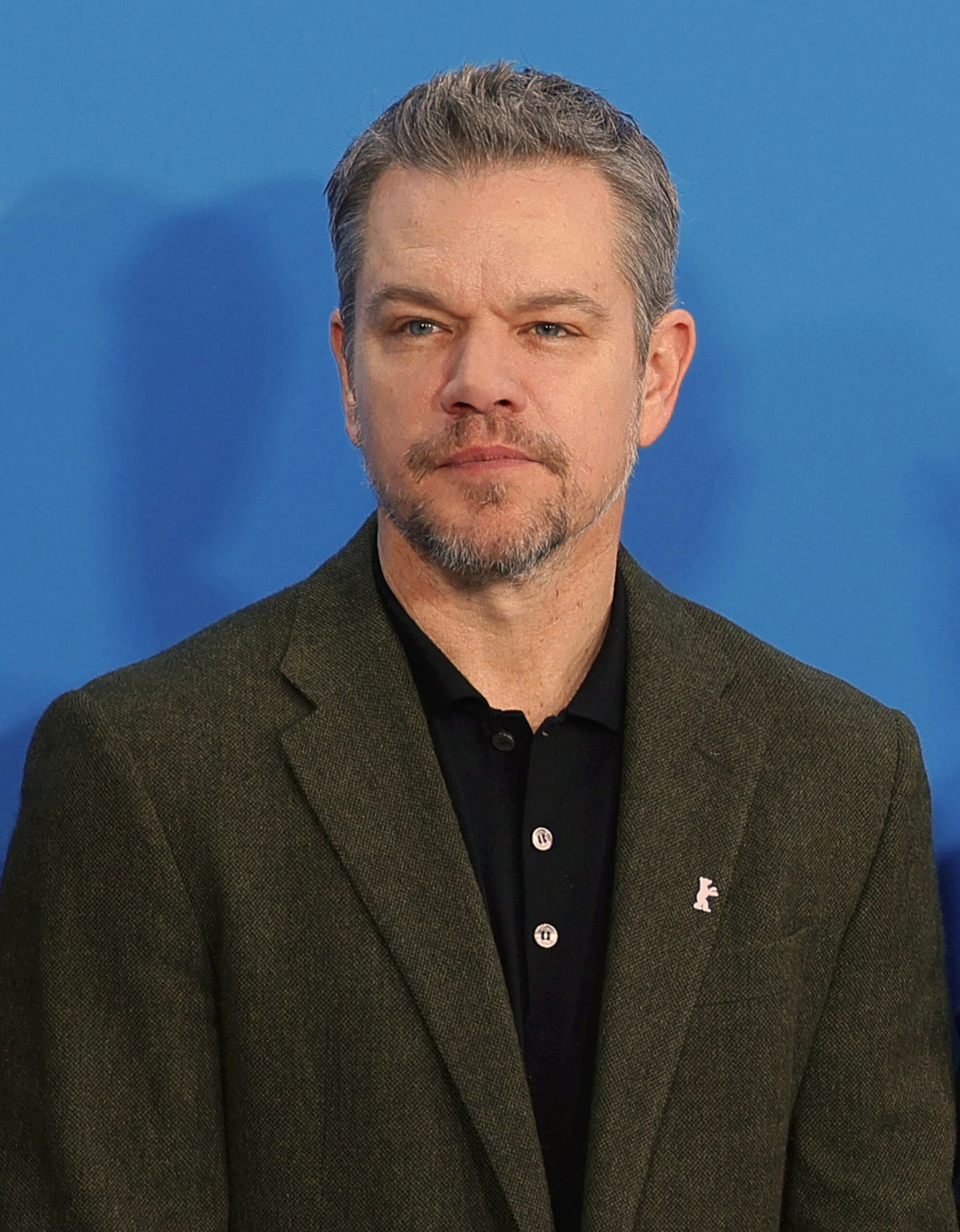
Featured image: David Letterman during a television interview in 2011. Archival portrait, not season seven. Photo: Chad J. McNeeley / Chairman of the Joint Chiefs of Staff, source, CC BY 2.0. No new edits.


